
Air: confirm chargeable weight, the volumetric divisor, minimums and rounding. For less-than-container-load (LCL) sea freight, check the weight/volume basis and minimums. For full-container-load (FCL), confirm equipment and local charges. Use one comparison currency and valid quotes. List included and excluded services, taxes and contingent charges. IATA air cargo pricing guide
Air Freight vs Sea Freight
Compare total costs and when stock can be received and used at the same warehouse. Use the same shipment details and receiving requirements for each quote.
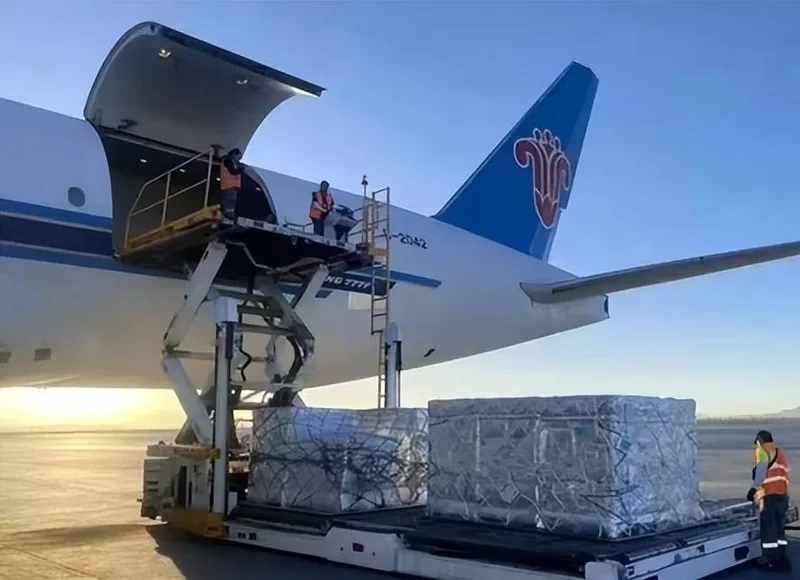
Check each mode’s billing basis
Compare all-air, all-sea and a split
Illustrative quotes for 100 cartons ready together, from one supplier to the same warehouse: all-sea costs USD 2,000 with delivery on 20 June; all-air costs USD 5,000 with delivery on 12 June. The warehouse can receive on either date.
Sending 10 cartons by air costs USD 850 for 12 June; the other 90 by sea cost USD 1,950 for 20 June. Total: USD 2,800, or USD 800 above all-sea. All quoted figures include applicable transport, handling, clearance service and delivery; assume other costs are unchanged.
If the 10 urgent cartons can be used independently and cover demand for 14–19 June, they avoid six days of shortage losses at USD 200 per day: USD 1,200. Less the USD 800 premium leaves USD 400. Deduct any extra costs or tax differences omitted from the comparison; check delivery estimates and receiving slots before booking.
Three options
Match the mode to the cargo
Check timing, acceptance and cost before choosing.
Air
Urgent accepted cargo where earlier use justifies the premium.
LCL sea
Smaller loads that allow time for consolidation and unpacking.
FCL sea
A dedicated container suited to volume, handling or control needs.
Receiving dates
Compare dates at the same warehouse
Include pickup, origin handling, main transport, clearance and final delivery. Allow for LCL unpacking and warehouse availability.
Use the same receiving conditions. Check access, unloading and appointment requirements. Different arrival dates can mean different valid slots.

From deadline to decision
Compare the options in six steps
- Set the deadline Identify when stock is needed and how much is urgent.
- Check acceptance Confirm product restrictions, packaging, capacity and service cutoffs.
- Align the quotes Use matching shipment facts, endpoints, currencies and service scope.
- Compare receipt dates Include release, onward transport and available warehouse appointments.
- Test a split Compare incremental costs with the loss the urgent quantity can avoid.
- Confirm the plan Check quote validity, exclusions and receiving arrangements before booking.
Split-shipment costs
Add only the extra costs
Check whether each shipment triggers its own minimum, clearance service, handling or delivery charge. Some work may be shared. Add only charges not already included in the quotes.
Use the same order. Compare all-air, all-sea and the split plan against one baseline. Count each charge once and deduct any extra costs from the expected benefit.

Quote comparison
Send one set of shipment facts
Common mistakes
- Comparing airport arrival with warehouse delivery.
- Using gross weight without checking air billing rules.
- Adding charges already included in the quote.
Send these details
- Product details, restrictions, package dimensions and gross weights.
- Supplier pickup address and cargo-ready date.
- Warehouse address, receiving windows, access and unloading needs.
- Importer and clearance arrangements, plus required delivery date.
- Urgent quantities, dependencies and whether splitting is acceptable.
Compare available options with AndaFreight
AndaFreight can request air, LCL, FCL or split options for the agreed route and cargo. The comparison sets out estimated warehouse receipt dates, prices, minimums and exclusions.
Choose by the shipment’s priority
| Option | Best use and check |
|---|---|
| Air | Earlier usable stock justifies the additional cost. |
| Sea | The delivery window allows the quoted sea schedule. |
| Split | Urgent goods can be used independently and justify the extra cost. |
Request an air-versus-sea comparison. Send the shipment details and required receiving date.
Frequently asked questions
Should I fly the whole order if only some cartons are urgent?
Compare a split if the urgent goods can be used independently. Check whether their avoided shortage loss exceeds the full extra cost, including any additional fees or tax differences.
Which arrival date should I compare for air and sea freight?
Use the date goods can be received and used at the warehouse. Flight or vessel arrival alone excludes release, onward transport and the available receiving slot.
Can urgent cargo always travel by air?
No. Batteries, liquids, powders, magnetic material, size, weight or temperature needs can affect acceptance. Provide product and packing details; the carrier must confirm the suitable service and any packaging or documentation requirements.