
Cargo Consolidation Guide

List each supplier’s expected packages, unique marks and contact. Confirm receiving arrangements before dispatch, then compare waiting for all batches with releasing approved urgent cartons first.

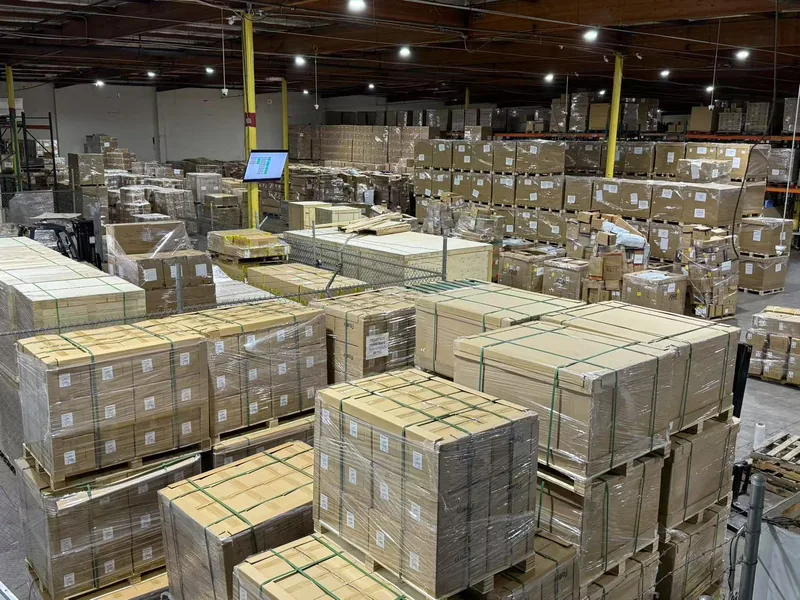
Rows of pallet loads secured with straps and staged together.

Compare expected and received cartons

Record expected packages for each supplier batch, then add actual arrival dates, marks, counts and visible condition. For example:

Batch Expected Received at the agreed point Buyer’s next action
A, cartons A1–A4 Four cartons A1–A4, exteriors intact Candidate for release; confirm carrier acceptance, documents and buyer approval.
B, cartons B1–B3 Three cartons B1 and B3, B3 corner crushed Locate B2; obtain a photo and agree checks for B3.

Keep B2’s shortage and B3’s damage separate. An exterior check does not verify contents. Approve any opening, inspection or repacking and its cost; update marks and measurements after packaging changes.

Wait or send the available goods?

Compare each batch’s expected warehouse arrival with the departure cutoff, allowing for local transport and receiving checks after factory readiness. Check whether available goods can be used independently. Compare costs and arrival dates for usable goods at the same address.

Release only identified cartons with carrier acceptance, matching documents and dated buyer instructions. Name what leaves, what stays and who may approve changes. Keep unresolved shortages and damage on a separate record.

Compare waiting and split shipment

Before dispatch

Check readiness, receipt and release

One combined departure may save fees, but waiting and extra handling can offset the saving.

Arrival timing

Expected warehouse arrival, quantity and departure cutoff.

Receiving checks

Marks, counts, visible condition and authorised handling.

Release plan

Approved cartons to ship now and goods staying behind.

Batch identification

Keep supplier records through repacking

Link supplier orders and carton marks to the final packing list. After repacking, record which original goods are in each new package.

Agree temporary holding. Storage is limited to the agreed consolidation plan. Confirm charging start, rates, review date and release authority.

Blue dock cranes above a container ship with Hanjin painted on the hull.
Keep each supplier’s goods traceable after consolidation.

Shipment records

Record what arrived, left and remains

  1. List the batches Record suppliers, marks, measurements, ready dates and expected warehouse arrivals.
  2. Check receipts Match actual arrivals and note shortages, damage and authorised checks.
  3. Approve dispatch Release the named, accepted cartons; keep unresolved or held goods on a separate list.
  4. Arrange clearance Match invoices and values to the goods shipped; confirm the importer and payment responsibilities.
  5. Deliver Confirm the address, receiving slot, access and agreed unloading.
  6. Close the record Retain signed delivery records and reconcile goods still held.

Costs and records

Compare the cost of both shipping plans

Price supplier pickup, receiving, storage, authorised repacking, freight, documents, clearance and delivery for each departure. Check applicable minimums and recurring fees. The buyer estimates business losses from stock shortages, missed sales or late delivery.

Dispatch example: Batches of 4, 7 and 3 cartons total 14 expected. If one is missing, only 13 have arrived. If approved for release as packed, record 13 outgoing cartons and keep the missing one open.

Shipping containers stacked in stepped rows under a clear sky.
Use actual released quantities on the outgoing packing list.

Request a comparison

Send the batch list and delivery deadline

Common mistakes

  • Waiting without checking the receiving deadline.
  • Losing supplier links when combining or repacking cartons.
  • Repacking without written approval and updated records.

Send these details

  • Package counts, marks, outside dimensions and gross weights; label estimates.
  • Supplier pickup and agreed receiving point details.
  • Importer, delivery address, postcode, access and receiving hours.
  • Supplier ready dates, expected warehouse arrivals and required delivery date.
  • Supplier orders, intake permissions and urgent or essential matching items.

How AndaFreight can help

AndaFreight can quote combined and split transport to the same address, including agreed receiving, storage and handling. Compare those quotes alongside the buyer’s estimated delay losses and delivery deadline.

Combine, split or hold temporarily

OptionUse when this condition is true
CombineAccepted compatible batches can meet one cutoff and the delivery deadline, with complete documents and approved release.
SplitAvailable goods are usable independently, and earlier delivery justifies the extra shipment cost.
HoldAwaiting goods, information or release approval under agreed storage terms; set a review date and next action.

Compare consolidation and split shipment. Confirm release lists, remaining stock and charges in writing.

Frequently asked questions

Should I wait when one of seven expected cartons is missing?

Check whether the six available cartons are useful without the missing item. If an essential matching part is missing, early delivery may not help. Otherwise, compare waiting and storage with the cost and delivery dates of both split shipments.

Does a receiving count prove that the products inside are correct?

No. Exterior checks record identifiable packages and visible condition. They do not verify the number, model or condition of items inside sealed cartons. Agree any opening, unit counting or inspection and its cost separately, then give written release instructions.

When does consolidation stop saving money?

When waiting, storage and handling outweigh the charges avoided by combining shipments. Repacking and non-stackable cargo can also affect cost. Compare logistics quotes alongside the buyer’s estimated shortage or delay losses; check each shipment’s actual charges rather than assuming every fee doubles.

Can batteries or liquids be added to a general-cargo consolidation?

Have a qualified reviewer check the actual product’s classification and transport requirements for the quantity, packing and route. Add it only after carrier acceptance for the proposed load and completion of applicable packing, marking and documents. AndaFreight coordinates the enquiry.

WhatsApp Chat with us