
Close view of crane spreaders and cables above container stacks.

Shipping from China to Australia

AndaFreight coordinates express, air and sea freight from China to Australian addresses. For machinery, confirm the crate materials, machine condition and unloading arrangements before comparing delivery costs to the factory.

Request a door-to-door quote
Choose your transport method

Transport methods from China to Australia

Choose international transport and final delivery together. Express uses a courier from China; sea-plus-parcel combines ocean freight with local parcel delivery after import release.

Express courier to your door

01

Pickup in China

We confirm goods and packing acceptance before booking collection or supplier handover. Send pickup details, readiness, package count, packed measurements, gross weight and value.

02

Transport & release

We confirm the selected courier, such as UPS, FedEx or DHL, then arrange labels, export handover and customs data.

03

Delivery to your door

The courier completes import processing and any required biosecurity steps before delivery. Confirm the full address and coverage; respond to document, payment and delivery-attempt requests.

Best fit
Samples, replacement items or a few cartons; compare the complete address price with air cargo.
Air freight with final delivery

01

Pickup in China

We arrange collection or supplier handover after checking packed measurements, gross weight and loading needs.

02

Transport & release

We book airline space and export handling, coordinating documents with the appointed broker and cargo terminal.

03

Delivery to your door

After customs and biosecurity release and cargo availability, we arrange the quoted truck. Confirm the receiving slot, site access, pallet weights and unloading equipment.

Best fit
Urgent cartons or pallets when earlier usable receipt justifies the premium; price only the items needed sooner.

Sea freight + local parcel delivery

01

Pickup in China

We collect or receive goods, checking carton acceptance and addresses. Agree consolidation, repacking and labels before dispatch.

02

Transport & release

We arrange ocean transport and export documents, coordinating import clearance with the appointed broker.

03

Delivery to your door

After customs and biosecurity release and unpacking at the authorised facility, we sort and label accepted cartons for the confirmed parcel network. The quote names the facility and final postcode.

Best fit
Clean, released, parcel-ready cartons. Pallets, machinery, oversized pieces and deliveries requiring freight appointments or unloading plans need suitable trucks.

Ocean LCL + truck delivery

01

Pickup in China

We collect or receive suppliers’ goods, confirming the packing list, consolidation, pallet work and cutoff.

02

Transport & release

We book shared-container transport and destination unpacking, coordinating import clearance with the broker.

03

Delivery to your door

After customs and biosecurity release and depot availability, we arrange a suitable truck from the named collection point. Confirm the postcode, receiving slot, access and unloading responsibility.

Best fit
Smaller planned loads; compare the complete cost with air and FCL, including heavy-lift or non-stackable charges.

Ocean FCL with final delivery

01

Pickup in China

We arrange factory loading or consolidate suppliers’ goods first. Confirm access, equipment and who secures the load.

02

Transport & release

We book the container and vessel, coordinating export documents and import clearance. Agree direct container delivery or depot unpacking.

03

Delivery to your door

We arrange delivery to your site after any directed transfer or treatment, customs and biosecurity release, and cargo availability. Confirm access, appointment, unloading, waiting and empty return.

Best fit
Dedicated, heavy or larger loads that fit the container and receiving site.
Parcel, pallet or container

Choose how the shipment reaches your door

Match delivery to the cargo and receiving site. Provide the street, suburb, state and postcode so we can check regional or remote coverage, access and receiving hours.

  1. 01China collection
  2. 02Ocean freight
  3. 03Import release
  4. 04Unpack, sort & label
  5. 05Parcel carrier acceptance
  6. 06Address delivery

Local parcel delivery

Individually packed cartons within the carrier’s limits. Give the recipient’s phone and any signature instructions; the site must accept normal parcel handover.

Pallets & large items

Freight vehicles for pallets, furniture or machinery. Confirm a suitable dock or forklift, or request pricing for a liftgate or specialist vehicle.

Whole-container delivery

Confirm trailer access and unloading within the booked slot. Otherwise, compare depot unpacking and onward delivery, including handling and empty return.

Track each handover

Express uses courier tracking. Air and sea track arrival, customs and biosecurity status, release, availability and delivery separately. A parcel reference may appear before the carrier’s acceptance scan.

Confirm the machinery handover

For each machine or crate, give the packed dimensions, gross weight, lifting points and available unloading equipment. Agree whether handover is on the vehicle, on the ground or elsewhere, and who unloads and pays. We confirm the vehicle or separate lift after checking the site.

From pickup to receipt

How door-to-door delivery works

Agree the importer, broker, payer and final handover before dispatch.

  1. Supplier pickup or China handover

    Confirm pickup or handover, contact, ready date, package count, packed measurements, weight, loading access and cutoff.

  2. China receiving and export

    Match cargo to the packing list; complete agreed packing, carrier acceptance and commercial/export documents.

  3. Main transport

    Track the booked departure, transfers and arrival against the receiver’s deadline.

  4. Import clearance

    The importer and broker check customs and any biosecurity evidence, inspection or treatment that could affect release.

  5. Final-mile delivery

    After release and availability, arrange the booked parcel, truck or container handover. Keep addresses, packages and appointments linked.

  6. Receipt and closure

    Check count and condition; report discrepancies with photos and the shipment reference. Keep the delivery record; signatures depend on the booked service.

Door-to-door names the pickup and delivery points; it does not automatically mean DDP. Confirm the importer, payer, clearance scope and any duty, tax, unloading, inside-delivery or storage charges.

Check the quoted charging rules

How freight to Australia is charged

Use the offer’s charging rule, divisor, rounding and minimums. Compare complete pickup-to-factory costs; identify duty and taxes separately unless included.

For sea LCL, compare the packed cubic metres with the quoted weight basis and minimum. A crate measuring 150 × 100 × 120 cm is 1.8 m³; at 900 kg, a W/M quotation defining 1 unit as 1 m³ or 1,000 kg would use 1.8 units before rounding or minimums. A separate heavy-lift or non-stackable charge can still apply. FCL is priced per specified container, not by multiplying an LCL rate by its capacity.

For air or express, the same crate has 300 kg dimensional weight at 6,000 cm³/kg. Under a higher-of-gross-or-dimensional rule, 900 kg gross governs, subject to acceptance, rounding and minimums.

Sea freight with parcel delivery: pricing

Confirm a combined door rate or separate sea, handling and parcel charges. Check sea minimums, each carton’s dimensions and gross weight, relabelling, residential or remote-area fees and tax treatment. Do not add charges already included.

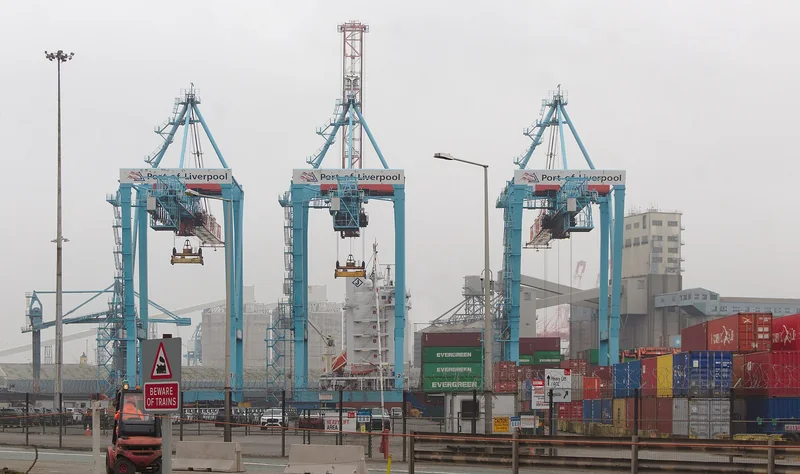
Three teal quay cranes above rows of containers in overcast weather.
Check packaging and machinery separately

Inspect the packing while it is still accessible

Check the panels, skids, braces and loose dunnage. Sufficiently processed plywood qualifies as unrestricted only when clean and free of solid timber and other biosecurity risk material. Solid-timber supports remain subject to their own conditions. The packer provides material details, photos and required evidence. Ordinary FCL/LCL cargo needs a packing declaration; air and break-bulk cargo do not, but must still meet applicable packaging conditions. DAFF timber and bamboo packaging guidance

Solid-timber packaging must meet bark limits and either ISPM 15 treatment and marking requirements or accepted alternatives in Australia’s Biosecurity Import Conditions system (BICON). Have the importer or broker check missing or unreadable marks before dispatch and confirm acceptable evidence, replacement timber or treatment. DAFF guidance on ISPM 15 and BICON alternatives

New and used machines must arrive free of soil, seeds and plant or animal material. State the machine’s use and condition; new equipment can be contaminated during testing, storage or loading. Check underneath and in recesses, and supply requested cleaning records or photos. Compliant packaging does not establish the machine’s condition. DAFF machinery cleanliness requirements

Price the trip from Sydney or Melbourne to the factory

Compare the same packed cargo, ready date and factory address. Name the collection terminal or depot and who confirms customs and biosecurity release. Itemise origin work, main transport, destination handling, brokerage and onward delivery. Separate fixed charges from any directed inspection, transfer, treatment or storage; name who arranges and pays for them.

For a regional factory, quote the exact address and agreed handover point. Confirm the heaviest crate, site access, receiving slot and whether unloading uses site equipment or a separately priced lift. Include waiting or rebooking charges if release misses the slot.

Clearance checkpoint before dispatch

Have the importer or broker check the goods and packaging in Australia’s BICON system. Before dispatch, obtain required permits and certificates and complete any required pre-shipment treatment. Arrange arrival inspections or further directed work at the required stage, then confirm release before ordinary delivery. Australian biosecurity import preparation

Time to the address

What changes the delivery estimate

Request a pickup-to-delivery estimate with cargo-ready assumptions, quote validity and the receiver’s deadline.

Origin clock

Supplier readiness, pickup, consolidation, documents and cutoff determine the first workable departure.

Main-carriage clock

Space, transfers, weather and carrier changes can alter the estimate; track the booked milestones.

Destination clock

Allow for release, cargo availability and the delivery slot. Packing evidence, directed inspections or treatment, storage and missed appointments can delay receipt.

Compare complete delivery offers

Compare charges and delivery requirements

Use the same China handover, ready date, packed cargo, importer, final address and receiving deadline. Compare included charges and quote validity.

MethodBilling basisExtra charges to checkDelivery requirements
Express courier to your doorHigher of gross or dimensional weight; quoted divisor, piece rounding and minimums.Pickup, postcode and courier surcharges; import charges.Accepted goods, coverage, import processing and any required biosecurity action.
Air freight with final deliveryHigher of gross or dimensional weight under the quoted rule, rounding and minimums.Origin/airport handling, customs work and final vehicle.Customs and biosecurity release, availability, suitable vehicle and unloading.
Sea freight + local parcel deliveryQuoted sea weight/volume rule and minimums, plus parcel billable weight.Unpacking, labels and postcode fees; check combined-rate inclusions.Released, clean, labelled cartons accepted by the parcel network.
Ocean LCL + truck deliveryWeight-or-measure rule, minimums and rounding.Consolidation, unpacking, extra lifts, non-stackable cargo and inland delivery.Customs and biosecurity release, depot availability, access and unloading.
Ocean FCL with final deliveryContainer type and route.Origin/terminal work, release, delivery, waiting/storage, unloading and empty return.Release, availability, site access, unloading capacity and appointment.
Send the cargo and packing details

What to send for a door-to-door quote to Australia

Send the details below to price transport to the agreed handover point. Identify which charges can be fixed now and which depend on the authorities’ directions.

Request a shipment quote

  • China pickup or handover address, contact, ready date and loading restrictions.
  • Goods, material, use and value; machine type and new/used condition; packing list, count, packed dimensions and individual gross weights.
  • Crate, skid and bracing materials; photos of components and treatment marks; available packing declarations, treatment or cleaning evidence.
  • Batteries, liquids, magnets, oversized pieces or other acceptance and handling restrictions.
  • Importer and broker contacts, trade term and named place, and available permits or approvals.
  • Full Australian address, suburb, state, postcode, address type, recipient phone, access, receiving hours and required delivery date; any existing quote and open charges.
  • Parcel preference or container/pallet acceptance, lifting points, dock/forklift capacity or separate lift needs, agreed handover point and unloading responsibility.

Frequently asked questions

Should sea-freight cartons use parcel delivery or a truck in Australia?

Use parcel delivery after customs and biosecurity release and unpacking, when each clean, labelled carton meets the network’s requirements for the postcode. Use a suitable truck for pallets, machinery, large crates and freight appointments. Compare sorting and parcel handover with the complete truck delivery and unloading cost.

What if an express shipment misses pickup or delivery?

Send the booking or tracking number, latest status, contact and full address. AndaFreight checks readiness, goods acceptance, address details, customs or biosecurity requests and the delivery attempt, then coordinates the available options. Address correction, storage, redelivery, carrier-point collection or return may cost extra; confirm charges before proceeding.

Does a plywood crate automatically satisfy Australia’s packaging requirements?

No. Check the entire package, including skids, bearers, braces and loose dunnage. Plywood panels do not make solid-timber supports exempt from the applicable conditions. Send clear photos of each component and treatment marks to the importer or broker. Confirm the packing declaration and supporting evidence required for the shipment before the supplier closes the crate.

Will air freight avoid Australian checks on used machinery?

No. Used machinery must be declared and inspected for biosecurity risk material, including when shipped by air. Clean underneath and in recesses before dispatch, and provide the required evidence. Air may shorten transport, but inspection and any directed cleaning or treatment still affect release, cost and delivery.

Is LCL always cheaper than a full container for one machine?

No. A 1.8 m³ crate may look small, but weight, stacking restrictions, extra lifts and Australian unpacking can change the comparison. Compare the complete LCL charge to the factory with the quoted container option, including delivery and empty return. Give both providers the same crate dimensions, gross weight, lifting method and receiving postcode.

What should be checked in BICON before shipping to Australia?

Check the goods and packaging by origin, use and condition. Obtain required permits and certificates and complete required pre-shipment treatment before dispatch. Any arrival inspection or further treatment follows the authorities’ directions at the required stage. Choosing air or sea does not replace these requirements.

Who pays for directed inspection or treatment in Australia?

The importer should budget for directed assessment, inspection, storage, treatment and related handling. These are not automatically included in freight. Confirm who arranges and pays each charge and what the quote includes. Ordinary final delivery follows the required work, confirmed release and cargo availability.

Does using a broker transfer the importer’s biosecurity responsibility?

No. A broker can lodge declarations and coordinate clearance; the importer remains responsible for accurate goods information and compliance. Give the broker the supplier, material, use, origin, machine condition and packing details before booking. Keep the export and transport documents consistent with that information.

WhatsApp Chat with us