
FCL vs LCL Shipping

Compare full container load (FCL) and less than container load (LCL) using the same packed cargo, pickup point and delivery address. Check the total quoted cost, cargo fit, handling requirements and expected warehouse receipt date.

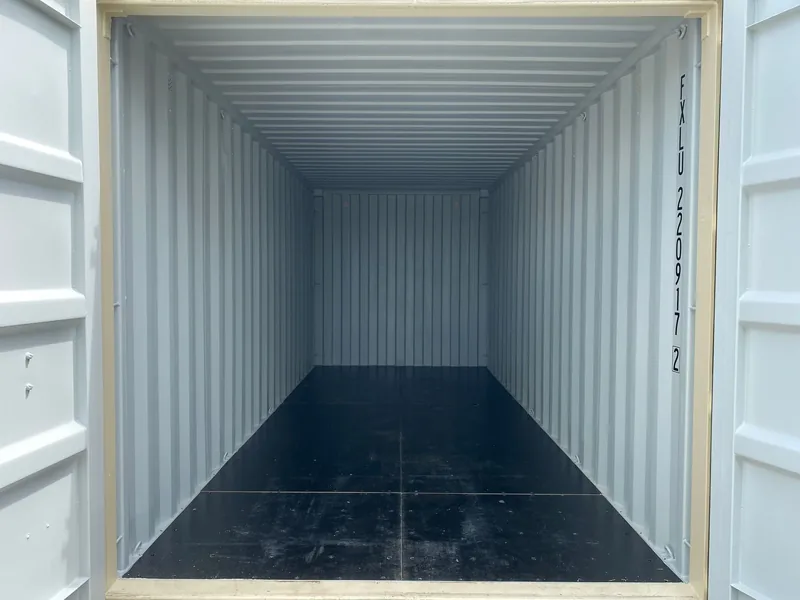
View through the open doors of an empty container with a dark floor.

Compare quoted costs to the same address

Illustrative USD quotes cover the same 7.5 m³ shipment weighing 9.2 metric tonnes. The assumed LCL weight-or-measure (W/M) rule uses the greater of cubic metres and tonnes at USD 85 per unit. With no higher minimum or rounding adjustment, main freight is 9.2 × 85 = USD 782.

Same pickup and receiving dock LCL FCL
Main freight $782 $850
Origin pickup and handling $260 $330
Destination handling and final transport $440 + $330 $520
Separate empty-return charge Not separately billed here $80
Listed total $1,812 $1,780

FCL is USD 32 lower for the listed charges. Assume unloading, brokerage, taxes and other unlisted costs are equal; any difference changes the comparison. Confirm exclusions, cargo acceptance and the quoted W/M rule before deciding. Maersk LCL terms

Check cargo fit and handling

Give the operator package dimensions, gross weights and stackability. For FCL, check door clearance, floor layout, payload and road limits. For LCL, confirm acceptance of heavy, fragile or non-stackable packages and the consolidation and unpacking schedule.

Compare your FCL and LCL options

Three checks

Choose for the actual shipment

Volume alone does not determine the cheaper or more suitable option.

LCL

Shared space, with consolidation and unpacking at depots.

FCL

Dedicated equipment suited to the cargo and handling plan.

Check both

Comparable prices, receiving dates and service scope.

Destination delivery

Confirm how the warehouse will receive cargo

For FCL, confirm container access, unloading equipment and the receiving slot. If the site needs loose-cargo delivery, include off-site unloading and onward transport in the quote.

Agree who unloads. Confirm the crew, equipment and allowed time. For LCL, check when unpacked goods can be collected or delivered.

Blue container ship alongside green cranes and dockside rail tracks.
Include destination handling and the actual receiving arrangement.

From cargo data to choice

Compare FCL and LCL in six steps

  1. Measure the cargo Record finished package dimensions, gross weights and total volume.
  2. Check loading and access Confirm equipment fit, weight limits, stackability and destination unloading.
  3. Price LCL Verify W/M units, minimums, depot handling and final transport.
  4. Price FCL Include quoted equipment, loading, trucking and empty-return requirements.
  5. Compare receipt dates Allow for cutoffs, unpacking, release and warehouse appointments.
  6. Confirm the option Check acceptance, total cost, exclusions and quote validity before booking.

Included and conditional charges

Check minimums, free time and return costs

For LCL, confirm the billable W/M quantity, any minimum and depot storage terms. For FCL, check loading and unloading allowances, free time, the empty-return deadline and the designated depot.

Count each charge once. Add unloading, waiting or return charges only when payable under the agreed scope and not already included. Keep conditional costs separate from the base quote.

Rows of orange containers bordering an open paved yard.
Check the service, billing basis and trigger for each extra charge.

Quote comparison

Send one set of cargo details

Common mistakes

  • Choosing equipment from volume without checking fit and weight.
  • Comparing depot-only and door-delivery prices.
  • Assuming the driver provides unloading.

Send these details

  • Package count, dimensions, gross weights and total CBM.
  • Cargo type, stackability and special handling needs.
  • Pickup address, ready date and loading arrangements.
  • Importer, delivery address, access and unloading plan.
  • Receiving window and any equipment preference.

Compare available options with AndaFreight

AndaFreight can compare quoted LCL units and minimums with an FCL plan for the same cargo and route. The comparison identifies local work, delivery arrangements, exclusions and conditional charges.

Confirm the practical differences

OptionConfirm before booking
LCLAcceptance, depot operations and delivery after unpacking.
FCLLoad plan, site access, unloading and empty return.
EitherCargo details, receiving date, clearance scope and quote validity.

Request an FCL-versus-LCL comparison. Send cargo details and the receiving requirements.

Frequently asked questions

Is there a fixed CBM threshold where FCL becomes cheaper than LCL?

No. Weight, stackability, minimum charges, local work and route pricing affect the result. Compare complete costs for cargo that fits the proposed equipment and can meet the receiving requirements.

Why can W/M units exceed the shipment’s CBM?

On a quote comparing cubic metres and metric tonnes, heavier cargo can be billed by weight. Check the specified conversion, minimum and rounding; volume alone does not determine the billed quantity.

Does an LCL minimum mean I always pay for one CBM?

No. Ask whether the minimum is a billable quantity or a monetary charge, and confirm the conversion and rounding. A contract’s minimum cargo commitment is not automatically a minimum freight charge.

Why can an FCL base rate be higher but the delivered unit cost lower?

Local handling and transport can outweigh a difference in ocean freight. Compare the full delivered totals for the same goods, then divide by the same product quantity if you need a unit cost.

WhatsApp Chat with us