
A loaded blue container ship under way with a white wake.

Shipping from China to South Korea

AndaFreight compares sea freight via Busan with air freight via Incheon to the same Seoul warehouse. Compare collection after release, the truck cutoff and the warehouse appointment to see whether air actually delivers sooner. We also arrange express and local parcel, pallet or container delivery to accepted addresses.

Request a door-to-door quote
Choose your transport method

Transport methods from China to South Korea

Choose international transport and final delivery together. Express uses a courier from China; sea-plus-parcel combines ocean freight with local parcel delivery after release.

Express courier to your door

01

Pickup in China

We arrange courier pickup for accepted, sealed parcels. Provide the China contact, ready window, contents, values, packed measurements, weights and Korean importer details.

02

Transport & release

We confirm the courier for the goods and address, then arrange labels, export handover and customs-data coordination.

03

Delivery to your door

After import release, the courier delivers to the agreed Korean road-name address. Use the quote checklist to provide the full address, recipient phone and receiving restrictions.

Best fit
Samples, replacements or a few cartons; compare the complete address price with air cargo.
Air freight with final delivery

01

Pickup in China

We arrange collection or supplier handover after checking packed measurements, gross weight and loading needs.

02

Transport & release

We book airline space and export handling, coordinating documents with the importer, broker and cargo terminal.

03

Delivery to your door

After handling and release at Incheon or the booked airport, we arrange a suitable van or truck. Match collection to the warehouse appointment and unloading arrangements.

Best fit
Urgent cartons or pallets when earlier warehouse receipt justifies the air premium.

Sea freight + local parcel delivery

01

Pickup in China

We collect or receive goods, checking carton acceptance and addresses. Agree consolidation, repacking and labels before dispatch.

02

Transport & release

We arrange ocean transport, export documents and destination unpacking, coordinating import clearance with the broker.

03

Delivery to your door

After unpacking and release at the Korean depot, accepted, labelled cartons enter the local parcel network. Confirm service for each postcode and receiving conditions; use a truck for pallets or goods that must arrive together.

Best fit
Sturdy, individually packed cartons within the carrier’s limits and accepted handover conditions.

Ocean LCL + truck delivery

01

Pickup in China

We collect or receive suppliers’ goods, checking the packing list, consolidation, pallet work and cutoff.

02

Transport & release

We book shared-container transport and destination unpacking, coordinating import clearance with the appointed broker.

03

Delivery to your door

After release and availability at the named depot, we arrange a suitable vehicle for cartons or pallets. Confirm the receiving slot, weekend limits, package count, access and who unloads.

Best fit
Smaller planned loads; compare the complete cost with air and FCL.

Ocean FCL with final delivery

01

Pickup in China

We arrange factory loading or consolidate suppliers’ goods first. Confirm access, equipment and who secures the load.

02

Transport & release

We book the container and vessel, coordinating export documents and the import plan. Agree container delivery or depot unpacking.

03

Delivery to your door

After terminal release and availability, we arrange delivery to the named dock. Confirm the appointment, site access, unloading time, waiting, seal/count checks and carrier-approved empty return.

Best fit
Dedicated, heavy or larger loads that fit the container and receiving site.
Parcel, pallet or container

Choose how the shipment reaches your door

Match the parcel service or vehicle to the Korean address and receiving conditions. Arrival at a port or airport does not confirm warehouse receipt.

  1. 01China collection
  2. 02Ocean freight
  3. 03Import release
  4. 04Unpack, sort & label
  5. 05Parcel carrier acceptance
  6. 06Address delivery

Local parcel delivery

Individually packed cartons within the carrier’s limits. Confirm the postcode, phone, receiving hours, access and signature instructions; the site must accept normal parcel handover.

Pallets & large items

Freight vehicles for pallets, furniture or machinery. Confirm a suitable dock or forklift, or request pricing for a liftgate or specialist vehicle.

Whole-container delivery

Confirm trailer access and unloading within the booked slot. Otherwise, compare depot unpacking and onward delivery, including handling and empty return.

Track each handover

A courier label may exist before pickup; the first acceptance scan confirms network entry. Keep sea arrival, release, local dispatch and delivery records separate. Signatures depend on the booked service.

From pickup to receipt

How door-to-door delivery works

Agree the importer, broker, payer and receiving plan before dispatch.

  1. Supplier pickup or China handover

    Confirm the China pickup or handover, contact, ready date, package count, packed measurements, gross weight, access and cutoff.

  2. China receiving and export

    Match goods to the packing list; complete agreed packing, carrier acceptance and commercial/export documents.

  3. Main transport

    Track the booked departure, transfers and arrival against the receiver’s deadline.

  4. Import clearance

    The importer or broker checks the Korean declaration, product requirements and release arrangements.

  5. Final-mile delivery

    Confirm release and cargo availability, then arrange the booked delivery. Keep each address, receiving slot and unloading requirement linked to its packages.

  6. Receipt and closure

    Check count and condition; report discrepancies with photos and the shipment reference. Keep the carrier’s delivery confirmation.

Door-to-door names the pickup and delivery points; it does not automatically mean DDP. Confirm the importer, payer, clearance scope and any duty, tax, unloading, inside delivery or storage charges.

Check the quoted charging rules

Check billable quantity and destination fees

Compare collection, freight, terminal or depot handling, brokerage and delivery to the same warehouse. Show taxes and any waiting, weekend or appointment fees separately.

For LCL, obtain the quoted weight/measurement rule, the freight minimum and the Korean depot's separate minimums. Two pallets each measuring 120 × 80 × 100 cm occupy 1.92 m³. If total gross weight is 500 kg, a W/M offer comparing m³ with metric tonnes starts at 1.92 units before minimums and rounding. Pallets that cannot be stacked may carry additional handling or space charges.

At a quoted 6,000 cm³/kg divisor, the same pallets total 320 kg dimensional weight. If the offer compares shipment totals, 500 kg gross is higher before rounding and minimums. For per-pallet billing, compare each pallet’s actual and dimensional weight separately; smaller packaging may reduce the charge. Confirm the method before repacking.

Sea freight with parcel delivery: pricing

Confirm a combined door rate or separate sea, handling and parcel charges. Check sea minimums, each carton’s dimensions and gross weight, relabelling, delivery-area fees and tax treatment. Do not add charges already included.

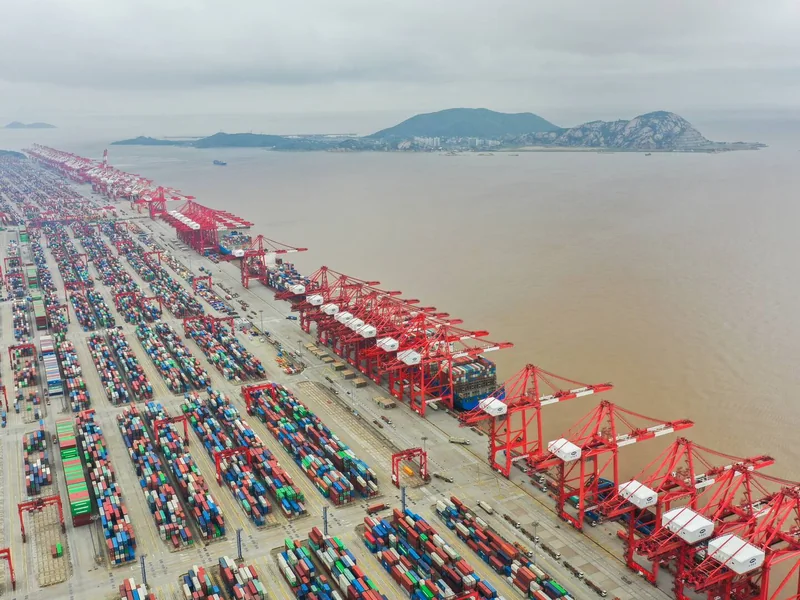
Elevated view of a long waterfront lined with red quay cranes and container rows.
Destination-specific handover

Trace each offer to the receiving dock

Sea via Busan. Name the discharge terminal and collection date after unloading, customs and carrier release. For LCL, confirm the unpacking depot and when your pieces are available. Check the Seoul truck departure, dispatch cutoff and who books the receiving slot. For FCL, include the empty-return location, cost and deadline.

Air via Incheon. Name the handling terminal and earliest pickup after breakdown and release. Check when the trucker needs the pickup reference to reach the warehouse appointment. Include terminal charges and road delivery in the comparison. Korean Air Cargo terminal directory

Test the weekend appointment

Confirm the broker’s clearance arrangements, facility collection window, truck availability and warehouse receiving team separately. Record arrival, released pickup and the receiving slot; an open cargo terminal alone cannot confirm weekend delivery. Korea Customs Service import clearance

For example, if both routes reach the warehouse on Monday, compare complete costs. If only air meets a Saturday appointment, weigh its premium against the cost of waiting. Use the same China handover, ready date and packed goods. Confirm actual receiving dates and any storage, waiting or rebooking fee if the slot is missed.

Clearance checkpoint before dispatch

Before dispatch, confirm the declarant and prepare the invoice, packing list, transport document, origin evidence and any required inspection certificate or product approval. Have the broker check requirements and filing timing; preparing documents is separate from submitting the declaration. AndaFreight supplies freight and package data. Korea Customs import declaration guide

Time to the address

What changes the delivery estimate

Request a pickup-to-address estimate with cargo-ready assumptions, quote validity and the receiver’s deadline.

Origin clock

Supplier readiness, pickup access, consolidation, documents and the carrier cutoff determine the first workable departure.

Main-carriage clock

Space, transfers, weather and carrier changes can alter the estimate; track the booked milestones.

Destination clock

Allow for release, facility collection, the truck cutoff and warehouse receiving slot. Inspections or missed appointments may add storage and delay receipt.

Compare complete delivery offers

Compare charges and delivery requirements

Use the same China handover, packed cargo, importer, final address and receiving deadline for every option to South Korea.

MethodBilling basisExtra charges to checkDelivery requirements
Express courier to your doorHigher of gross or dimensional weight under the quoted rule, rounding and minimums.Pickup, address and courier surcharges; import charges.Accepted goods, release, full address and carrier access.
Air freight with final deliveryQuoted chargeable weight, divisor, rounding and minimums.Origin/airport handling, brokerage and final vehicle.Release, facility pickup, truck cutoff, receiving slot and unloading.
Sea freight + local parcel deliveryQuoted sea weight/volume rule and minimums, plus parcel billable weight.Unpacking, labels and delivery-area fees; check combined-rate inclusions.Released, labelled cartons accepted for the postcode and receiving conditions.
Ocean LCL + truck deliveryQuoted weight-or-measure rule, rounding and minimums.Consolidation, unpacking, release, brokerage and delivery.Named depot, release, availability, suitable vehicle and receiving slot.
Ocean FCL with final deliveryContainer type and route.Origin/terminal work, brokerage, delivery, waiting/storage, unloading and empty return.Release, availability, trailer access, receiving slot and unloading capacity.
Send shipment and receiving details

What to send for a door-to-door quote to South Korea

Use the checklist below to compare complete delivery offers. Include the warehouse deadline and any collection or brokerage already arranged so AndaFreight can price the remaining work.

Request a shipment quote

  • China pickup or handover address, contact, ready date and loading restrictions.
  • Goods, material or use, origin, value, package count, packed dimensions and individual gross weights.
  • Batteries, liquids, magnets, timber, oversized pieces or other acceptance and handling restrictions.
  • Korean importer and broker contacts, trade term and named place, available documents or approvals, and payer.
  • Five-digit postcode, city/province, district, road name, building number, floor/unit and recipient phone.
  • Required receiving date, weekend availability, next available slot, existing quote and any collection or brokerage already arranged.
  • Carrier preference, address type, vehicle access, receiving hours, appointment, pallet/container acceptance, unloading equipment and responsible party.

Frequently asked questions

When can Korean sea freight use parcel delivery instead of a truck?

After LCL unpacking and release, a carrier may accept individually packed, labelled cartons for the five-digit postcode. Check its access and receiving rules. Use suitable freight transport for pallets, heavy cases or sets that must arrive together; confirm any dock appointment with the carrier. AndaFreight compares parcel costs with one consolidated delivery.

What if pickup fails or a Korean weekend delivery is missed?

Check whether the problem is cargo readiness, carrier acceptance, clearance, address or receiving access. Confirm the China pickup contact or Korean receiver’s next available time. AndaFreight requests a workable collection or delivery plan and confirms any storage, redelivery or rebooking charge first.

Is air through Incheon always faster to a Seoul warehouse than sea through Busan?

No. Compare the confirmed warehouse receiving date after release and trucking. If both shipments miss a Saturday slot and can only be received on Monday, an earlier flight may save no usable time. If air can meet Saturday and sea cannot, compare its complete premium with the cost of waiting, using the same cargo-ready date and delivery address.

Would smaller packaging reduce the air charge for two heavy pallets?

It depends on the billing method. Two 120 × 80 × 100 cm pallets total 320 kg dimensional weight at 6,000 cm³/kg. If the quote compares shipment totals and gross weight stays 500 kg, smaller dimensions alone do not lower that weight basis. With per-pallet comparison, repacking may help; check each pallet’s actual weight, dimensions, rounding and minimums.

Does a Korean weekend delivery need more than an airport arrival time?

Yes. Confirm the customs broker’s arrangement, cargo facility collection window, available truck and warehouse receiving team separately. Record arrival, earliest released pickup and the actual booked delivery slot. A facility operating at the weekend does not prove that all four parties can complete this shipment then. Ask what storage or rebooking charge applies if one handover is missed.

Who submits a South Korean import declaration through UNI-PASS?

The owner of the goods or a customs broker submits it through UNI-PASS. Korea Customs allows filing before arrival to expedite processing. Have the nominated declarant confirm filing timing. AndaFreight supplies shipping data and coordinates trucking once release and collection are confirmed.

Who pays if Korean Customs selects cargo for inspection?

Korea Customs states that the owner of the goods bears inspection costs. Ask the broker about handling costs and possible delays beyond the normal freight quote. AndaFreight updates the delivery plan after the broker confirms release and the facility confirms collection availability.

What supports a Korean customs value declaration?

Provide transaction documents, the dutiable-value calculation and supporting evidence requested by the broker. Include freight, insurance and any relevant additional costs or related-party transactions. The importer and broker confirm the required valuation information; AndaFreight itemises transport charges and keeps shipment references consistent. Korea Customs value declaration guidance

WhatsApp Chat with us