
Aerial view of a coastal terminal, its breakwater, and nearby roads.

Shipping from China to Brazil

AndaFreight arranges express, air, LCL and FCL shipping from China to Brazil. For Santos shipments, compare the full cost to your São Paulo warehouse, including clearance, delivery, unloading and empty return.

Request a door-to-door quote
Choose your transport method

Transport methods from China to Brazil

Choose international transport and final delivery together. Express uses a courier from China; sea-plus-parcel combines ocean freight with local parcel delivery after release.

Express courier to your door

01

Pickup in China

We arrange courier pickup or supplier handover for accepted parcels. Provide the China contact, ready window, contents, invoice, value, packed measurements and gross weights.

02

Transport & release

We confirm the courier, such as UPS, FedEx or DHL, for the goods and address, then arrange labels, export handover and customs-data coordination.

03

Delivery to your door

After import release, the courier delivers to the confirmed address. Provide the Brazilian postcode (CEP) and any CPF, CNPJ or clearance information requested for that import channel.

Best fit
Samples, replacements or a few cartons; compare the complete address price with air cargo.
Air freight with final delivery

01

Pickup in China

We arrange collection or supplier handover after checking packed measurements, gross weights and loading needs.

02

Transport & release

We book airline space and export handling, coordinating documents with the importer, broker and cargo terminal.

03

Delivery to your door

After airport handling and Receita release under the confirmed import procedure, we arrange the quoted final vehicle. Confirm the appointment, access, pallet sizes and unloading responsibility.

Best fit
Urgent cartons or pallets when earlier usable receipt justifies the premium and import requirements are ready.

Sea freight + local parcel delivery

01

Pickup in China

We collect or receive goods, checking carton acceptance and addresses. Agree consolidation, repacking and labels before dispatch.

02

Transport & release

We arrange ocean transport, export documents and destination unpacking, coordinating conventional cargo clearance with the appointed broker.

03

Delivery to your door

After release and unpacking at the named Santos or inland facility, accepted, labelled cartons enter the agreed local parcel service. Confirm coverage and receiving conditions for each CEP.

Best fit
Individually packed cartons within carrier limits; use a truck for pallets, machinery, oversized pieces or scheduled warehouse deliveries.

Ocean LCL + truck delivery

01

Pickup in China

We collect or receive suppliers’ goods, checking the packing list, consolidation, pallet work and cutoff.

02

Transport & release

We book shared-container transport and destination unpacking, coordinating import clearance with the appointed broker.

03

Delivery to your door

After unpacking, release and availability at the actual freight station, we arrange a suitable truck to São Paulo or the confirmed address. Agree the receiving slot, access and unloading.

Best fit
Smaller planned loads; compare the complete cost with air and FCL.

Ocean FCL with final delivery

01

Pickup in China

We arrange factory loading or consolidate suppliers’ goods first. Confirm access, loading equipment and who secures the cargo.

02

Transport & release

We book the container and vessel, coordinating export documents and the import plan. Agree intact-container delivery or depot unpacking.

03

Delivery to your door

After release and terminal availability, we arrange delivery from Santos or the booked gateway. Confirm trailer access, unloading time, waiting, terminal and equipment deadlines, and empty return. Price depot unpacking if needed.

Best fit
Dedicated, heavy or larger loads that fit the container and receiving site.
Parcel, pallet or container

Choose how the shipment reaches your door

Match the parcel service or vehicle to the full CEP-aligned address and receiving conditions. Include transport from the actual release facility to the agreed unloading point.

  1. 01China collection
  2. 02Ocean freight
  3. 03Import release
  4. 04Unpack, sort & label
  5. 05Parcel carrier acceptance
  6. 06Address delivery

Local parcel delivery

Individually packed cartons within the carrier’s limits. Confirm CEP coverage, receiving hours, access and any signature request; the site must accept normal parcel handover.

Pallets & large items

Freight vehicles for pallets, furniture or machinery. Confirm a suitable dock or forklift, or request pricing for a liftgate or specialist vehicle and unloading.

Whole-container delivery

Confirm trailer access and unloading within the booked slot. Otherwise, compare depot unpacking and onward delivery, including handling and empty return.

Track each handover

Express follows the courier tracking number; air and sea follow declaration, release, depot and truck milestones. A local parcel label may exist before tender; the carrier’s acceptance scan confirms network entry.

From pickup to receipt

How door-to-door delivery works

Agree the importer, broker, payer and receiving plan before dispatch.

  1. Supplier pickup or China handover

    Confirm the China pickup or handover, contact, ready date, package count, packed measurements, gross weights, access and cutoff.

  2. China receiving and export

    Match goods to the packing list and complete agreed packing and export documents. Check carrier acceptance, the import procedure and any pre-shipment approvals before dispatch.

  3. Main transport

    Track the booked departure, transfers and arrival against the receiver’s deadline.

  4. Import clearance

    The importer or authorised representative submits the declaration under the applicable procedure and confirms customs release.

  5. Final-mile delivery

    Confirm release and cargo availability, then book delivery. Keep each address and its receiving requirements linked to the correct packages.

  6. Receipt and closure

    Check count and condition; report discrepancies with photos and the shipment reference. Keep delivery confirmation; signatures depend on the booked service.

Door-to-door names the pickup and delivery points; it does not automatically mean DDP. Confirm the importer, payer, clearance scope and any duty, tax, unloading, inside delivery or storage charges.

Check the quoted charging rules

Understand the billing basis and the costs after Santos

Compare pickup, export handling, freight, terminal or depot charges, brokerage, inland delivery, unloading and any empty return. Have the broker itemise taxes and fees for the actual NCM classification and import operation; avoid a single assumed tax percentage.

FCL freight is per specified container. LCL charges need the stated weight/measurement basis, minimum and the destination tariff. For 4 m³ weighing 1,500 kg, a quotation comparing cubic metres with metric tonnes starts at 4 units before minimums and rounding. Unpacking, document release, storage and trucking can each use a different unit or minimum.

Air and courier compare gross and dimensional weight under the quoted rule. A 100 × 80 × 100 cm packed pallet occupies 0.8 m³ and gives about 133.33 kg dimensional weight at 6,000 cm³/kg. At 200 kg gross, the higher-weight basis is 200 kg before rounding and minimums. Use final packed measurements.

Sea freight with parcel delivery: pricing

Confirm a combined door rate or separate sea, handling and parcel charges. Check minimums, each carton’s dimensions and gross weight, relabelling, residential or remote-area fees and tax treatment. Do not add charges already included.

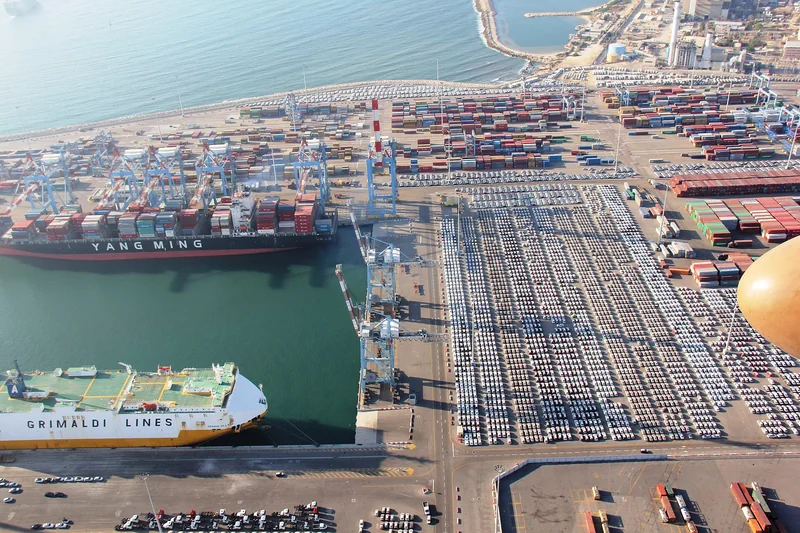
Aerial view of marked storage lanes beside a ship berth and dock cranes.
Destination-specific handover

Verify the importer and declaration path

Confirm the legal importer, applicable Siscomex qualification and authorised representative. Give the broker each item’s description, material, use, model, origin, value and currency, plus the invoice and packing list, to verify the Brazilian NCM classification. Brazilian Revenue Service qualification guidance

Use the current DI migration checker to establish whether the actual operation requires Duimp. Have the broker confirm the applicable procedure before booking. If documents or approvals are pending, estimate realistic release timing before arranging terminal collection. Siscomex DI migration checker

Fill the gap between Santos and the warehouse

Confirm the terminal, collection availability after customs and carrier release, handling and storage terms. Identify who pays inspection-related handling. Separate the broker’s fee, estimated import taxes and payment advances; agree who funds the assessment, keeps the record and tells the haulier it can collect.

For São Paulo, include the truck to the exact address, waiting, unloading and empty return to the carrier’s nominated depot. Track terminal pickup and equipment return separately: record each start date, any free days, counting rule and deadline. If the warehouse cannot unload in time, compare another receiving slot or depot unloading with the late charges.

Clearance checkpoint before dispatch

Have the importer or authorised representative check the NCM and actual operation in the administrative-treatment simulator. Where licensing applies, DI uses LI; Duimp uses the LPCO module. Confirm any Inmetro or other agency approval and its required timing. Obtain approval before shipment where required; confirm declaration readiness even when no licence applies. Brazil import licensing manual

Time to the address

What changes the delivery estimate

Request a pickup-to-address estimate with cargo-ready assumptions, quote validity and the receiver’s deadline.

Origin clock

Supplier readiness, pickup access, consolidation, documents and the carrier cutoff determine the first workable departure.

Main-carriage clock

Space, transfers, weather and carrier changes can alter the estimate; track the booked milestones.

Destination clock

Allow for licensing, declaration, release, terminal pickup and warehouse receipt. Inspections or missed appointments can add storage and delay delivery.

Compare complete delivery offers

Compare charges and delivery requirements

Use the same China handover, packed cargo, importer, final address and receiving deadline for every option.

MethodBilling basisExtra charges to checkDelivery requirements
Express courier to your doorHigher of gross or dimensional weight under the quoted rule, rounding and minimums.Pickup, address and courier surcharges; import charges.Accepted goods, channel-specific import data, release and CEP-aligned address.
Air freight with final deliveryQuoted chargeable weight, divisor, rounding and minimums.Origin/airport handling, brokerage and final vehicle.Import readiness, release, terminal pickup, appointment and unloading.
Sea freight + local parcel deliveryQuoted sea weight/volume rule and minimums, plus parcel billable weight.Unpacking, labels and delivery-area fees; check combined-rate inclusions.Conventional cargo release and labelled cartons accepted for each CEP.
Ocean LCL + truck deliveryQuoted weight-or-measure rule, rounding and minimums.Consolidation, unpacking, release, brokerage and delivery.Actual freight station, cargo availability, suitable vehicle and unloading.
Ocean FCL with final deliveryContainer type and route.Origin/terminal work, brokerage, delivery, waiting/storage, unloading and empty return.Release, availability, trailer access, receiving slot and return deadline.
Send shipment and receiving details

What to send for a door-to-door quote to Brazil

Use the checklist to compare offers in one currency to the same unloading point. Include both quotes, their currencies and validity, and any broker or truck already arranged so AndaFreight can price the remaining work.

Request a shipment quote

  • China pickup or handover address, contact, ready date and loading restrictions.
  • Goods, material, use, model, origin, value, currency, package count, packed dimensions and individual gross weights.
  • Batteries, liquids, timber, oversized pieces or other acceptance restrictions.
  • Legal importer and broker contacts, applicable CPF/CNPJ, trade term and named place, declaration procedure and approval status.
  • CEP, street, number, complement, district, municipality, state, recipient phone and address type.
  • Required receipt date, receiving hours, appointment, access, unloading equipment and responsible party.
  • Existing offers, open charges, carrier preference, container size or any pallet/liftgate requirements.

Frequently asked questions

When can Brazilian sea freight use parcel delivery instead of a truck?

After conventional import clearance and unpacking, a local carrier may accept individually packed, labelled cartons for the verified CEP-aligned address. Use a truck for pallets, heavy or oversized pieces, appointments or grouped freight. Compare sorting and parcel tender with depot loading, inland trucking, unloading and any empty return to the same endpoint.

What if a China pickup fails or Brazilian delivery is delayed?

Send the booking or tracking number, latest status, full address and pickup or recipient contact. AndaFreight checks readiness, carrier acceptance, CEP, applicable CPF/CNPJ requests, clearance and access, then coordinates the carrier’s permitted action. Confirm any correction, storage, redelivery, collection or return charge before giving instructions.

Is the cheapest China-to-Santos ocean rate the cheapest route to São Paulo?

Not necessarily. Compare the same receiving address after adding Santos handling, release, brokerage, applicable taxes, the loaded truck, unloading and empty return. Check storage and equipment deadlines independently. A cheaper ocean line can lose its advantage if it leaves major destination charges open or delivers cargo before the importer can complete the required declaration.

Can I replace a full-container quote with LCL pricing based only on cubic metres?

No. LCL adds shared-container handling and destination minimums that differ from FCL. A 4 m³ shipment weighing 1,500 kg starts at 4 units under a quoted m³-or-tonne W/M method, but that is only the freight quantity. Compare complete Santos release and São Paulo delivery with the dedicated-container option, including its loaded trip and empty return.

Can I use the supplier’s China customs code for the Brazilian import declaration?

Use it as supporting information, not a confirmed Brazilian classification. The Brazilian importer or broker must establish the appropriate eight-digit NCM from the goods’ material, function and specifications, and check any required approvals. Send model-level descriptions and documents before booking. A matching first six HS digits does not prove the full national code or tax treatment is correct.

Should I book air freight while my Brazilian import licence is unresolved?

First have the broker establish whether approval is required before shipment and which declaration procedure applies. If the goods cannot be released, an earlier flight can simply start airport storage sooner. Price air only for product lines whose requirements are ready and whose earlier warehouse receipt has value, including any extra handling, declaration and delivery from splitting the order.

Who can submit a Brazilian import licence or declaration in Siscomex?

The legal importer or its authorised representative needs the applicable Siscomex authority. Confirm system access and the appointed representative before dispatch. AndaFreight supplies shipment documents and coordinates transport; a freight booking does not establish import authorisation.

How do I check which Brazilian import approvals apply?

Have the importer or broker check the correct NCM and actual operation in the Siscomex administrative-treatment simulator. Confirm applicable licences, certificates and any Inmetro or other agency consent, including when approval must be obtained. Where approval is required before shipment, wait for it before dispatch; AndaFreight can adjust pickup accordingly.

WhatsApp Chat with us