
What Is an Air Waybill?

An air waybill (AWB) identifies air cargo and evidences the carriage contract. It is non-negotiable. Collection follows destination release procedures and identity checks. International Trade Administration document guide

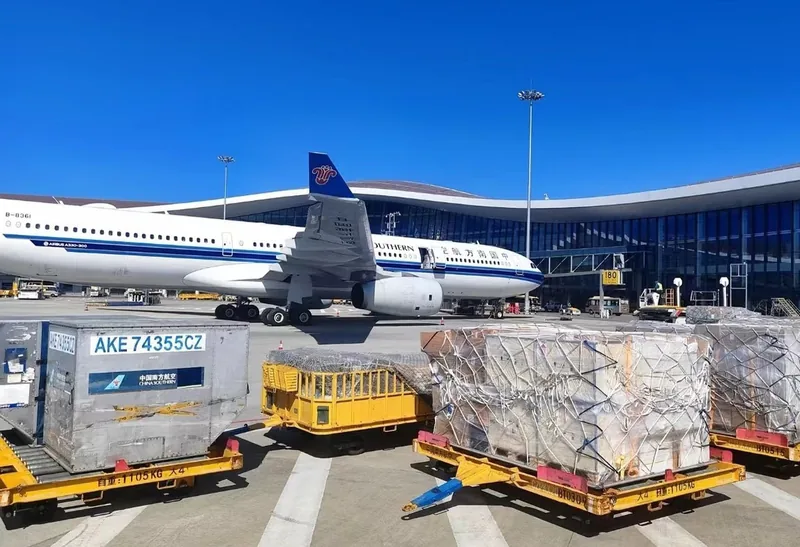
Wrapped air cargo on dollies lined up beside aircraft.

Match the master and house references

The airline or its agent issues the master air waybill (MAWB) covering the airline shipment. For consolidated cargo, the forwarder issues a house air waybill (HAWB) for each customer consignment. A direct shipment may have only the master document.

An airline AWB number has 11 digits: a 3-digit airline prefix and an 8-digit serial part including its check digit. Use the issuing airline’s tracking service for the master number; ask the forwarder to link your house reference. House references can follow a different format. Lufthansa Cargo shipment tracking · IATA air waybill format

Check the data before handing over cargo

Match shipper, consignee, airport codes, carrier, pieces, description and gross weight to the booking and packing records. Check accepted measurements and chargeable weight separately; volumetric pricing can make chargeable weight higher than gross weight.

Before airport collection, confirm the handling terminal, completion of any required breakdown, customs release, required payments and the driver’s collection reference. Obtain confirmation for your consignment before dispatching the truck.

Discuss your shipment

Three checks

Confirm the shipment you are following

Connect each reference to the cargo and its destination contact.

Reference

Know which number the airline and forwarder use.

Cargo

Match the piece count and measurement basis.

Destination

Identify the handling terminal and release contact.

Delivery scope

Confirm delivery beyond the airport

Read the AWB, booking and freight quote together to identify the carrier’s coverage and any separately arranged airport-to-warehouse leg.

Assign the handover. Name who sends the arrival notice, handles clearance and tax payments, and books the vehicle. Specify the address, appointment, access and unloading arrangements.

Stern of a loaded container ship framed by blue quay cranes.
Link the shipment reference to each agreed handover.

From issue to collection

Follow the waybill through six steps

  1. Link the references Record the master and any house number, plus their issuers.
  2. Verify the data Compare the draft with the confirmed booking and packing records.
  3. Confirm issue Confirm the issued data; request later amendments through the issuer.
  4. Track the shipment Check airline movement and ask the forwarder about your house consignment.
  5. Check availability Obtain confirmation that your cargo is released and ready for collection.
  6. Arrange delivery Confirm the vehicle, receiving appointment and proof of handover.

Weight and price

Use the quoted weight and charging rules

Check the quoted chargeable weight, rate and any minimum charge. Confirm each handling or delivery fee’s charging basis and whether it is included.

Weight example: Assume 5 cartons total 82 kg gross and the quote accepts 96 kg chargeable weight. A per-kilogram freight rate uses 96 kg, subject to the quoted minimum and other terms. Add only applicable charges not already included.

Dense rows of red, blue, and green shipping containers.
Match quoted weights and charges to the shipment record.

From tracking to delivery

Prepare the references and shipment details

Common mistakes

  • Tracking only the flight, without checking cargo availability.
  • Using an AWB as proof of customs release.
  • Treating the master’s total pieces as your house consignment’s count.

Send these details

  • Booking confirmation, master and any house waybill, or available drafts.
  • Shipper, consignee, importer, broker and arrival contact.
  • Goods, packages, dimensions, gross weight and quoted chargeable weight.
  • Pickup point, destination airport and final delivery address.
  • Ready date, deadline, receiving hours and site access.

Coordinate the handover with AndaFreight

AndaFreight can reconcile the provided master and house references, identify arrival contacts and coordinate the destination handover within the quoted scope. The airline, handler and broker confirm their respective transport, availability and clearance statuses.

Check the next action

CheckWhat to match
Shipment dataMaster and any house reference identify the right cargo.
Routing and arrivalCarrier updates are matched to the actual destination handling terminal.
After releaseConfirmed availability, collection reference, vehicle and receiving appointment.

Review your AWB references. Send the booking details and explain which status or handover needs checking.

Frequently asked questions

Why does the airline show 20 pieces when my house waybill shows 4?

The master may combine several customers’ cargo. Your 4 pieces can be one house consignment within the 20. Ask the forwarder or destination handler to confirm the link and your pieces’ availability; the master’s arrival alone is insufficient.

Which number should I use for airline tracking?

Use the master number with the issuing airline. Track the house reference through its forwarder, who can confirm the matching master and destination contact.

Is an air waybill a document of title?

No. An AWB is non-negotiable and evidences the carriage contract. Possessing a copy does not replace the destination’s identity, customs and cargo-release checks.

Why can cargo arrive at the airport but still await delivery?

Cargo may still await breakdown, customs clearance, payment or collection authority. Ask the handler what remains outstanding and when collection is possible, then confirm the vehicle and receiving appointment.

WhatsApp Chat with us